
On July 1, I fell and fractured my knee and pelvis. Thankfully I didn’t need surgery, but I was non-weight-bearing for weeks, then eased into partial weight and rehab. I’ve just returned to practice, and I want to share what actually made a difference—clinically and personally.
Recovery has two sides: physical and emotional. They talk to each other constantly. When one flares, the other often answers. Here’s what helped me—and what I recommend to patients in a similar situation.
The Physical Side
1. Be Patient, Respect the Timeline (Yours, Not the Average)
Tissues need time to heal. Typical timelines are just that—typical. Your recovery will vary based on your constitution and the severity of your injury. In my case, hospital physiotherapists suggested I could start weight-bearing at 6 weeks, but my orthopedic doctor—guided by diagnostic imaging—didn’t clear me to weight-bear until 3 months. Follow your plan, step by step.
2. Be Willing to Accept Help
When you’re recovering from a major injury, real limitations are common—and self-care can become hard or unsafe. Help isn’t optional; it’s part of healing. I had significant mobility issues and needed support with daily activities—from household chores to personal care. Thankfully, my mom flew in from Vancouver and stayed for three months. She made every meal and even helped me bathe. I couldn’t have managed alone, and saying “yes” to help protected my energy so my body could repair.
3. Proper Food is the Building Block for Repair
Best 5 TCM Proteins for Healing
- Fish (salmon, cod, or carp): Tonifies Qi and Blood, supports the Spleen, and promotes tissue regeneration—excellent for post-injury recovery.
- Eggs: Nourish Yin and Blood; easy to digest and ideal for fatigue or weakness.
- Chicken (especially bone broth): Strengthens Qi and Yang, restores vitality, and warms the body from the inside out.
- Tofu (soybean): Supports Yin, clears mild internal heat, and is gentle for weaker digestion.
- Beef: Tonifies Qi and Blood, strengthens muscles, and supports recovery from depletion or chronic fatigue.
Top 5 Healing Vegetables
- Spinach: Nourishes Blood and Yin, supports liver function, and helps relieve dryness.
- Sweet potato: Tonifies Spleen Qi, aids digestion, and provides steady energy.
- Carrot: Strengthens the Spleen, supports circulation, and benefits vision.
- Chinese yam: Tonifies Qi and Yin, supports digestion, and aids tissue repair.
- Lotus root: Cools and nourishes Blood, clears heat, and supports recovery after inflammation.
Top 5 Healing Fruits & Herbs
- Goji berries: Tonify the Liver and Kidney, nourish Blood, and support tissue healing and vision.
- Red dates (jujube): Strengthen Qi, calm the mind, and replenish post-illness fatigue.
- Apple: Harmonizes digestion, offers mild detox support, and gently nourishes Qi.
- Ginger: Warms digestion, reduces inflammation, improves circulation, and harmonizes the stomach.
- Turmeric: Moves Qi and Blood, reduces pain and swelling, and supports joint healing.
4. Sleep like it’s your job
Healing hormones clock in at night—don’t miss your shift. Use pillows/props, schedule pain control if prescribed, and do your best to protect your sleep. In TCM, the prime repair window is 11:00 pm–3:00 am (Gallbladder/Liver time)—your body’s restoration team. If falling asleep is tough, aim for lights out by 10:00 pm.
5. Practice Breath Work
Research shows that breathwork has a powerful calming effect on the nervous system, especially by reducing unconscious stress held in the body. Benefits include lowering blood pressure, relaxing muscle tension, slowing the breathing rate, and reducing cortisol—all of which help decrease inflammation and promote tissue healing. One simple technique is box breathing.
Box Breathing: Inhale 4 counts → hold 4 → exhale 4 → hold 4. Do this for 3–5 minutes, 2–3×/day. You can use a lower or higher count; the key is keeping all four phases equal so filling and emptying stay balanced. For video demonstration, click the button below.
6. Acupuncture Helped
Acupuncture offers powerful support during injury recovery by addressing both pain relief and the body’s natural healing response. It helps reduce pain and inflammation by stimulating endorphin release and improving circulation, which brings fresh oxygen and nutrients to the injured area. Acupuncture also relaxes tight muscles, reduces spasms, and promotes smoother movement as tissues heal.
By regulating the nervous system, it shifts the body out of “fight-or-flight” mode and into “repair mode,” encouraging faster recovery. Additionally, acupuncture can help prevent scar tissue adhesions and improve joint mobility. From a Traditional Chinese Medicine (TCM) perspective, it restores the smooth flow of Qi and Blood to the affected area—dispersing stagnation, accelerating tissue regeneration, and helping the body return to balance naturally.
The Emotional Side
When someone goes through a major injury, it’s not just the body that needs healing—the emotions do too. Early on, shock and denial are common as it’s hard to believe what’s happened. As reality sets in, frustration and anger often surface, especially when daily routines become difficult or independence feels lost. Many also feel sadness and grief over changes to mobility, work, or identity, along with fear and anxiety about recovery and the future. Guilt may appear as self-blame or discomfort with needing help.
What helped me cope with these feelings:
Practice gratitude. Focus on the positives (e.g., I didn’t need surgery). No matter how hard things feel, it could always be worse.
Find a project. Tackle something meaningful you never had time for. I learned and built an entire website myself—challenging but rewarding—and it helped me feel productive instead of stuck.
Shrink the day. Choose one priority, one nice thing, and one tiny win. That’s a good day.
Gentle exposure to “normal.” Return in test doses: short visits, brief admin tasks, a small walk. Celebrate capacity, not speed.
Get professional help if needed. If emotions feel overwhelming or persistent, seek guidance from a qualified professional.
Final Thoughts
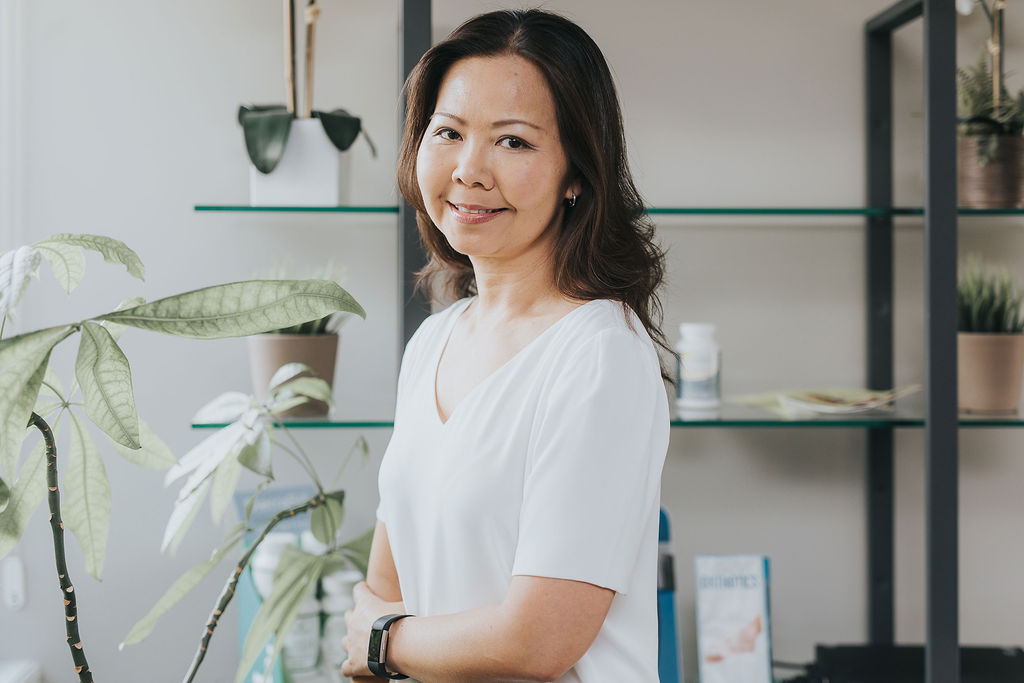
Recovery isn’t a straight line—it’s a gentle spiral: there are good days and harder ones. Some days you’ll feel right on track; other days pain or heavy emotions may slow you down. Having a plan—like the strategies above—makes the road easier.
When you’re ready for support, I’m here. You can contact the office to book a free consult to see if acupuncture is a fit, or schedule a treatment and we’ll tailor a plan that meets your body where it is. And if you’d like steady, practical guidance, subscribe to the blog—you’ll receive my free TCM Seasonal Nutrition Guide (with recipes) to support your healing along the way.
Free TCM Nutrition Guide with Recipes
The body is a self healing organism; acupuncture simply awakens and guides it.
Disclaimer: The information on this website is for educational purposes only and should not replace professional medical advice.
© 2025 Acupuncture Heals. All rights reserved.